The True Colors of Kiev

I had anticipated gray. Drab gray and maybe some varying hues like ash, charcoal and smoke. How was it that the sun was shining—brightly? Shouldn’t it be overcast and drizzly in a former republic of the Soviet Union?

While wandering through the streets of Kiev in 2006, I marveled at the range of colors: the Easter egg baby blue of the Wedgewood like St. Sophia’s Cathedral; the almost sapphire blue of the sky; the glittering gold of onion shaped spires on the stately Orthodox churches and the Outback orange of Tara Shevchenko National University of Kyiv.

Even a little Soviet era car parked haphazardly outside Kiev’s Besarabsky Market sported an electric leprechaun Kelly green paint job.

For some reason the botanical bounty of Ukraine’s capital surprised me, too. The greenery of the many parks, the red flowers that bloomed and lined sidewalks as well as the multi-colored floral arrangements available at several stalls in Besarabsky’s created a stop-and-smell-the-roses vibe. The food I consumed even had electric color like the bright luscious red of the most delicious tomatoes I had ever eaten in my life.

I had anticipated much more asphalt, slate, cement and pavement. Really, walking around Kiev was more like sauntering along Main Street, Disneyland, when you half expected to be hunched over in a bleak and endless breadline out of a grainy newsreel.

Continue reading

Doing Nails: An Ancient Southeast Asian Art?

The Buddha and creepy hand at VN nails.

The Buddha and creepy hand at VN nails.

When VN Nails opened in Salida, Colorado, (population 5,500) I decided that doting on digits must be an ancient tradition in Vietnam. That would explain the prevalence of Vietnamese American owned nail salons in the United States  — even in remote Rocky Mountain towns with good ole boy ranchers and agro outdoor enthusiasts

The Numbers

According to the 2012-2013 Industry Statistics published by Nails Magazine, 48 percent of nail professionals in the $7.47 billion US nail industry are Vietnamese Americans. The number skyrockets in California where Vietnamese Americans represent 80 percent of the state’s nail technicians. Having lived in Southern California and also wanting to visit Vietnam, I’ve been fascinated with this phenomenon for years.

Back In The Remote Mountain Town

The somewhat sad looking complex where VN Nails is located.

The somewhat sad looking complex where VN Nails is located.

I arrive for a pedicure at the new Salida salon, which is located next to a Subway and a storage unit rental place. Nearby, Methodist Mountain’s changing aspens decorate the landscape like drops of O.P.I.’s Glitzerland Yellow Shimmer Nail Lacquer. Inside VN Nails, you find the standard salon accouterments, including vibrating massage recliners, ferns, stacks of People magazines, heated nail dryers, and shelves of O.P.I. polish.

The elevator version of “Hey Jude” plays on the sound system, and a gleaming gold Buddha near the register catches my attention. Chinese script decorates the statue’s base, and a somewhat creepy plastic hand, displaying various nail colors, reaches up toward the happy, paunchy Buddha.

Perhaps this practice of pampering goes back to Buddha’s times. I wonder if villagers massaged the hands and feet of traveling monks. The Vietnamese probably embrace this tradition in the same way the Chinese revere acupuncture. Finger and toe tending in Vietnam must be another old school Asian art like grooming bonsai trees in Japan.

Continue reading

Travel Oops: The ‘Tomato Sauce’ Tirade

The source of my ethnocentrism. Tomato sauce. © Amy Frazier

The source of my ethnocentrism. Tomato sauce. © Amy Frazier

Tomato sauce. That’s what made me go epically ethnocentric when I lived in Adelaide, Australia, for one year as an exchange teacher. I didn’t mean for it to happen, especially since, frankly, Oz is awesome, and I started thinking perhaps I was more Aussie than American. Plus, I’ve always tried to embrace various cultures, respect different customs and avoid going down Ethnocentric Avenue. After all, I once ate an entire portion of hideous headcheese in Paris for lord’s sake.

“We Gonna Rock Down to ‘Ethnocentric Avenue’”

Of course, culture shock is completely normal, and it’s to be expected that travelers will, in some way, compare the country they are visiting to their own. The international non-profit organization, Unite for Site, which relies on volunteers to help with global eye care health in remote villages, has a great explanation of culture shock:

No matter how open-minded or accepting, all travelers are susceptible to culture shock;  for their means of interacting effectively with society have been knocked out from under them. Even seasoned travelers are vulnerable to culture shock when traveling to an unfamiliar foreign country. What begins as discomfort and confusion subtly progresses to frustration, anxiety, irritability, loneliness, and withdrawal.

Unite for Site also warns about the dangers of ethnocentrism, which they define as “the unconscious presumption that there is one normal, single way of doing things, and that deviations from this universal order are wrong.”

An American roundabout. They actually make much more sense.

An American roundabout. They actually make much more sense.

The most adjusted travelers, in my opinion, also get ethnocentric about certain aspects of culture — usually over small things. At least that’s what happened in my case — when I had a tantrum over something trivial. It’s definitely a moment I cringe about now.

I actually thought I might lose it over driving through roundabouts, which terrified me every time they appeared in the road. Even my young kids knew this. “My mom hates roundabouts,” Eddie and Kasey would tell their new Australian friends.

While scary, roundabouts, I had to admit, were practical and more efficient than four way stops.

Continue reading

Travel Teacher Oops: Basically Neighbors with the “Biebs”

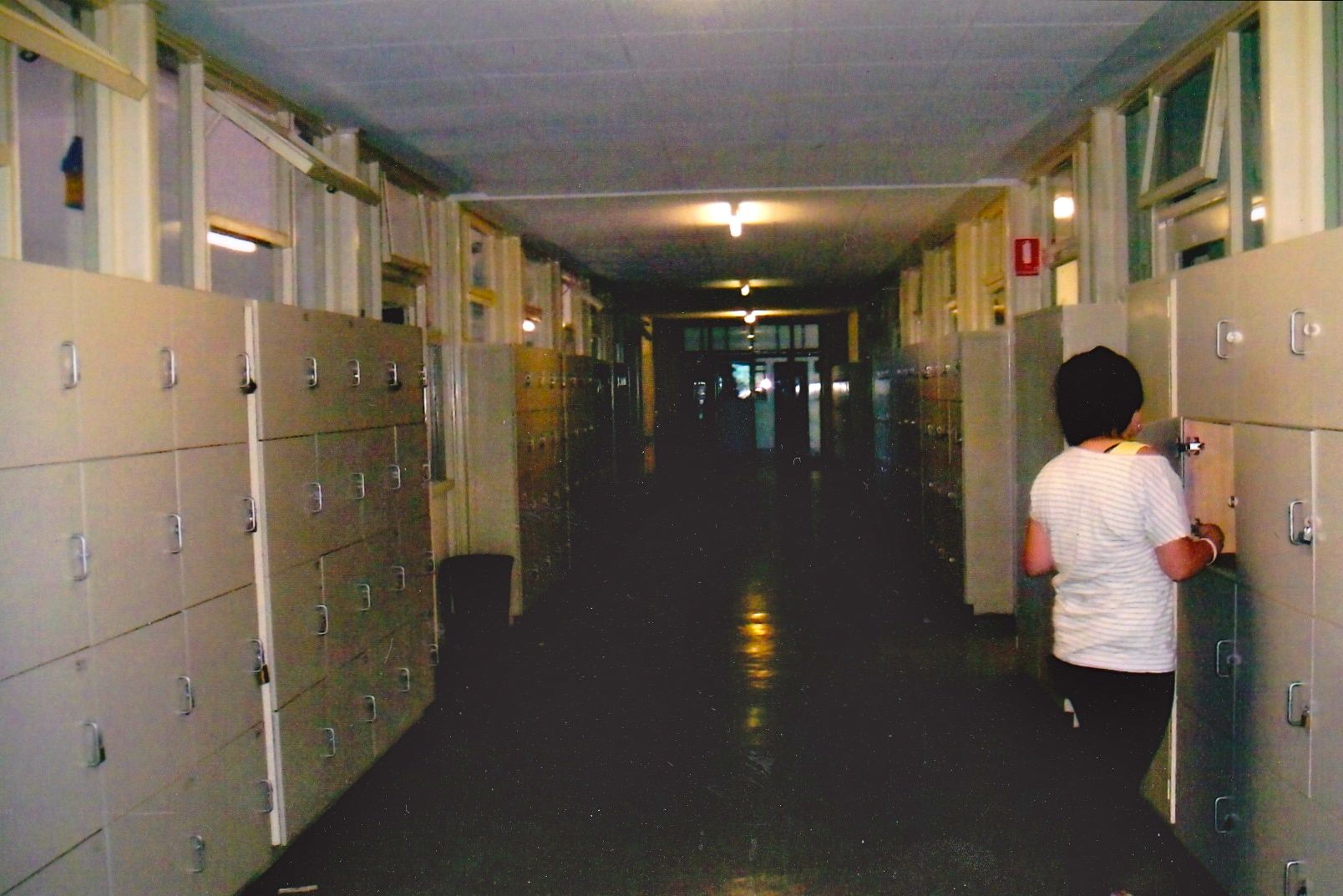
One of the Hallways of Le Fevre

One of the Hallways of Le Fevre

Adelaide, Australia. 2010. Raiding the supply of “blueys” or blue withdrawal room forms in the staff room of Le Fevre High School, I grabbed a substantial stack. Recently, I had been called a “f**king bitch” in class by one of my year 8 students, so I armed myself with the blue tickets to the “naughty room.”

The withdrawal room was where you sent unruly, belligerent or uncooperative students. As I contemplated how long my blue pile would last, the assistant principal Jane Prince, whisked into the staff room.

“Steph, we need you to teach the Year 7 transition class today,” she mentioned while filling teacher pigeon holes (mailboxes) full of paperwork.

“The what class?” By now I was so used to winging it at Le Fevre, where I had been assigned as an American exchange teacher, it didn’t faze me one bit to be given a class I didn’t have a clue about.

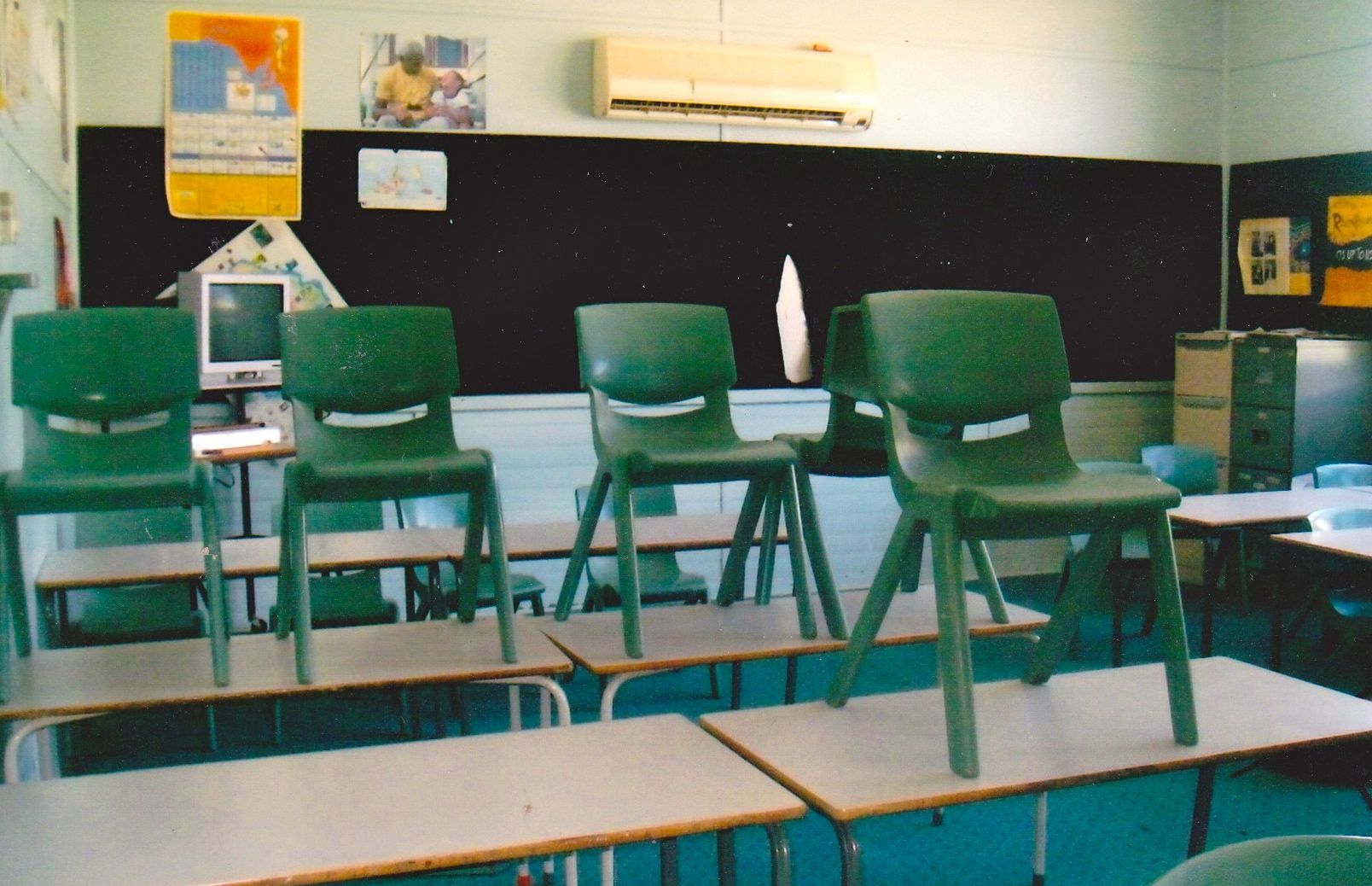
A classroom awaiting students.

A classroom awaiting students.

“The transition class. Year 7s from feeder schools will be visiting today. We need to introduce these prospective students to our maths and language arts programs.”

“Jane, you really want me to teach this class?

“Yes, why not?” Jane grabbed another stack of papers, licked her thumb and began rifling through them. Soon they were completely sorted. She turned to look at me, while peering over the top rim of her glasses frames.

Because, seriously, you want the kids to come here, right? To impress them.

Continue reading

Signs of the Times: Travel Poops (sorry, I couldn’t help the pun…)

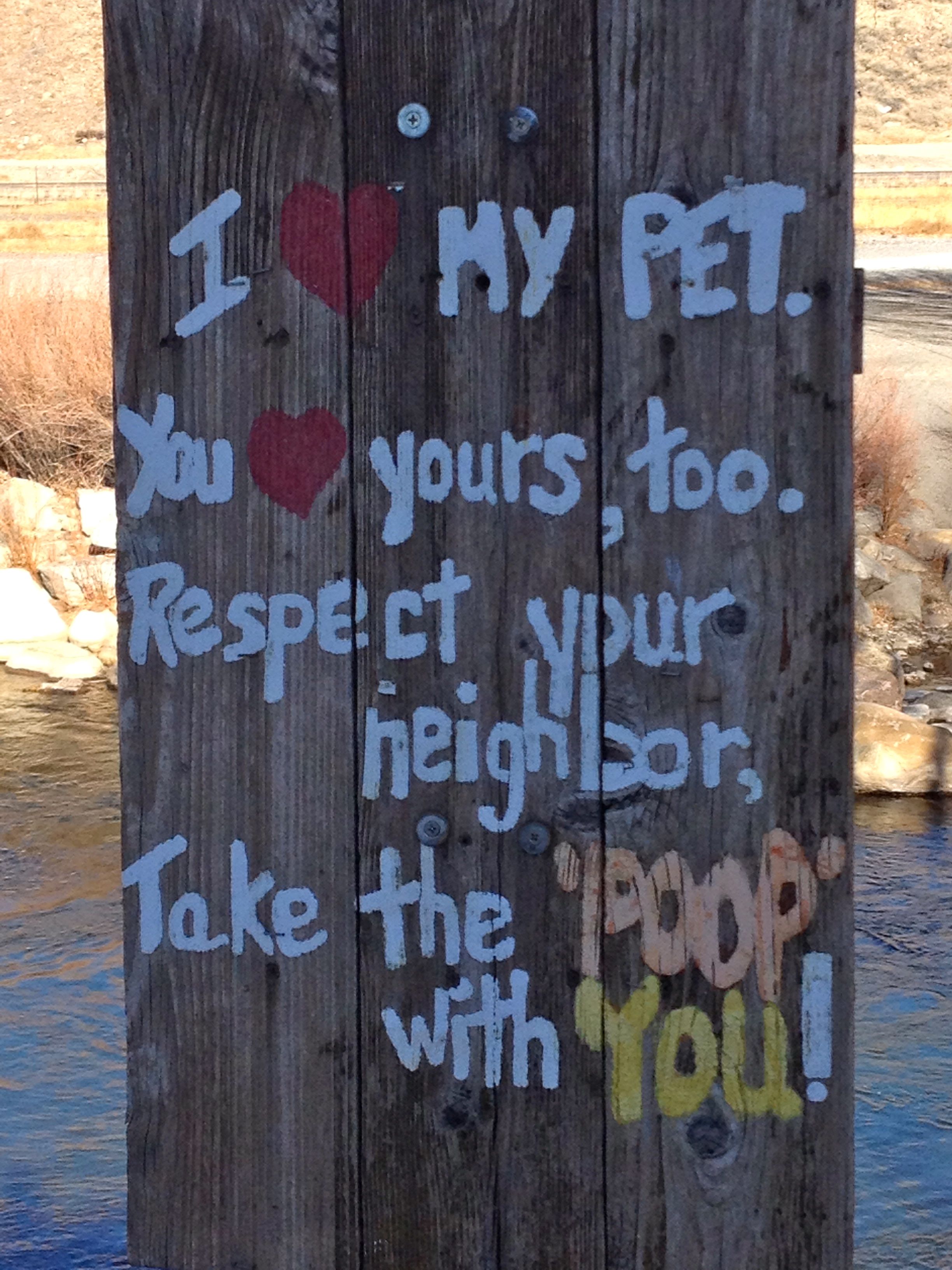
A friendly clean up your dog's poop sign

This is sort of the hippie make-love-not-poop (but if you do, it’s okay) sign.

From gentle reminders to accusations of destroying civilization, signs are everywhere prompting people to clean up their dogs’ poops. (Sérieusement, Paris, France, écoutez-vous?)

Continue reading

Searching for a Dashboard Deity

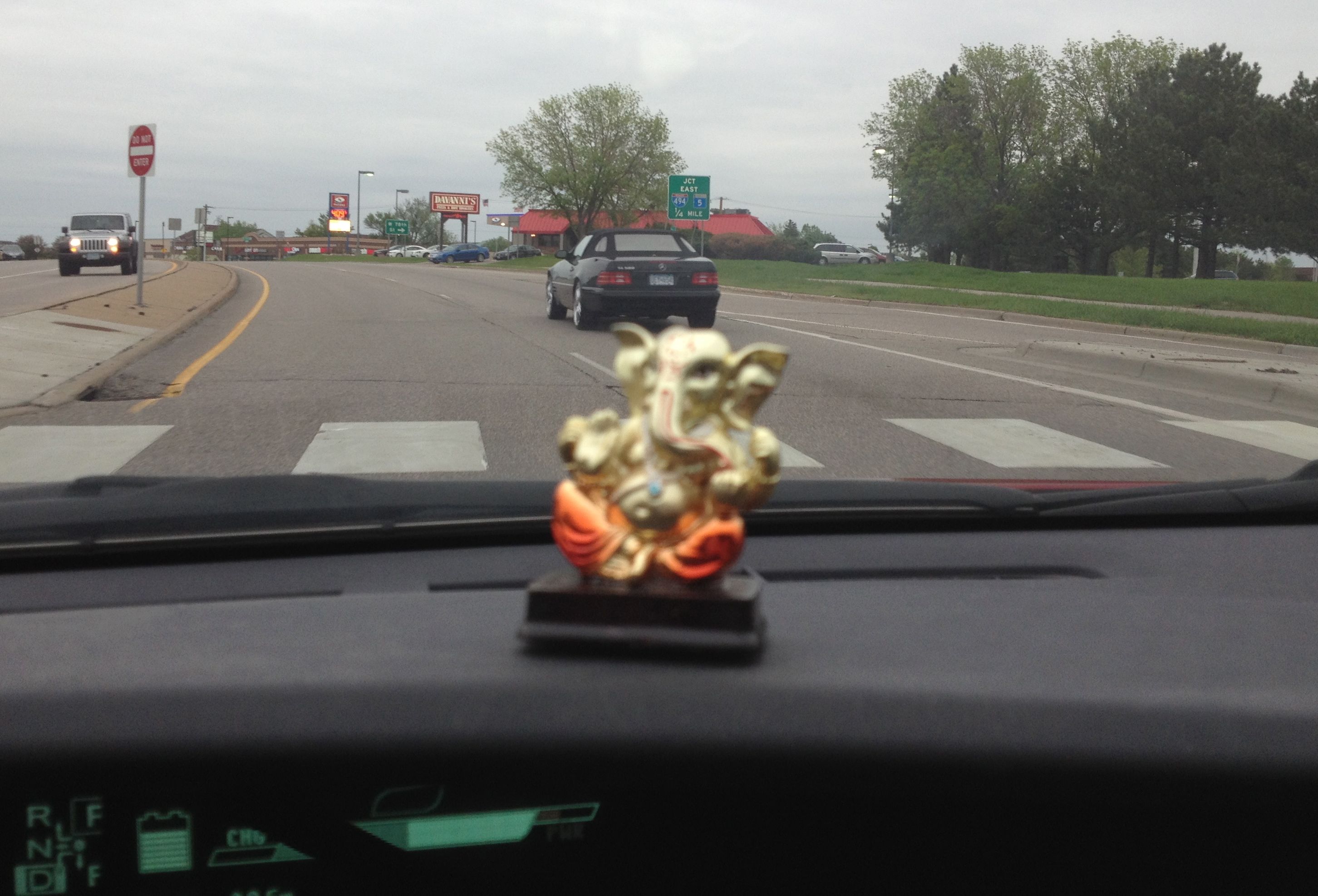
My Vegas Ganesha bringing me good luck on the road.

My Vegas Ganesha bringing me good luck on the road.

Toronto, Canada. 2013. Standing next to a large bronze, meditating statue of Shiva, the Destroyer, Maharani Emporium owner Rupert Lalla, tugs at a gold chain around his neck. He pulls the attached gold figure up from beneath his green plaid shirt. Bringing it forward so I can see it more closely, he reveals a tiny figure with an elephant head, human body and four arms in various positions — Ganesha.

I take this as a good sign since I’ve been grilling Rupert in his Toronto shop about this Hindu god and why Indians choose him for their cars as the preferred dashboard deity.

A bit about Ganesha

Totally fitting as a dashboard deity, Ganesha is the Hindu god of protection, wisdom and remover of obstacles. He also is the son of the god of destruction and recreation, Shiva, and the Hindu goddess of power, Parvati. Often called the easiest god to worship, Ganesha, according to Hindu belief, accepts any devotee’s prayers — whether formal or informal. Embracing Ganesha as their god of choice, residents of Mumbai hold Ganesh Chaturthi, an eleven-day festival solely devoted to the elephant-headed god.

A Ganesha statue outside a jungle elephant preserve. The electric green moss transfixed me.

A Ganesha statue outside a jungle elephant preserve. The electric green moss transfixed me.

In 2010, during a trip to Bali, I noticed that Ganesha was everywhere on the “Island of the Gods,” since the Balinese place him near entrances of buildings and temples. Stationed in the parking lot of an elephant preserve in the jungle, appropriately, was a large moss speckled volcanic Ganesha sculpture complete with a jewel-encrusted headdress. The contrast of the dark rock and the electric green moss on the statue all against the backdrop of the dense, vibrant jungle captivated me.

Continue reading

Avoid the Oops when in…Canada

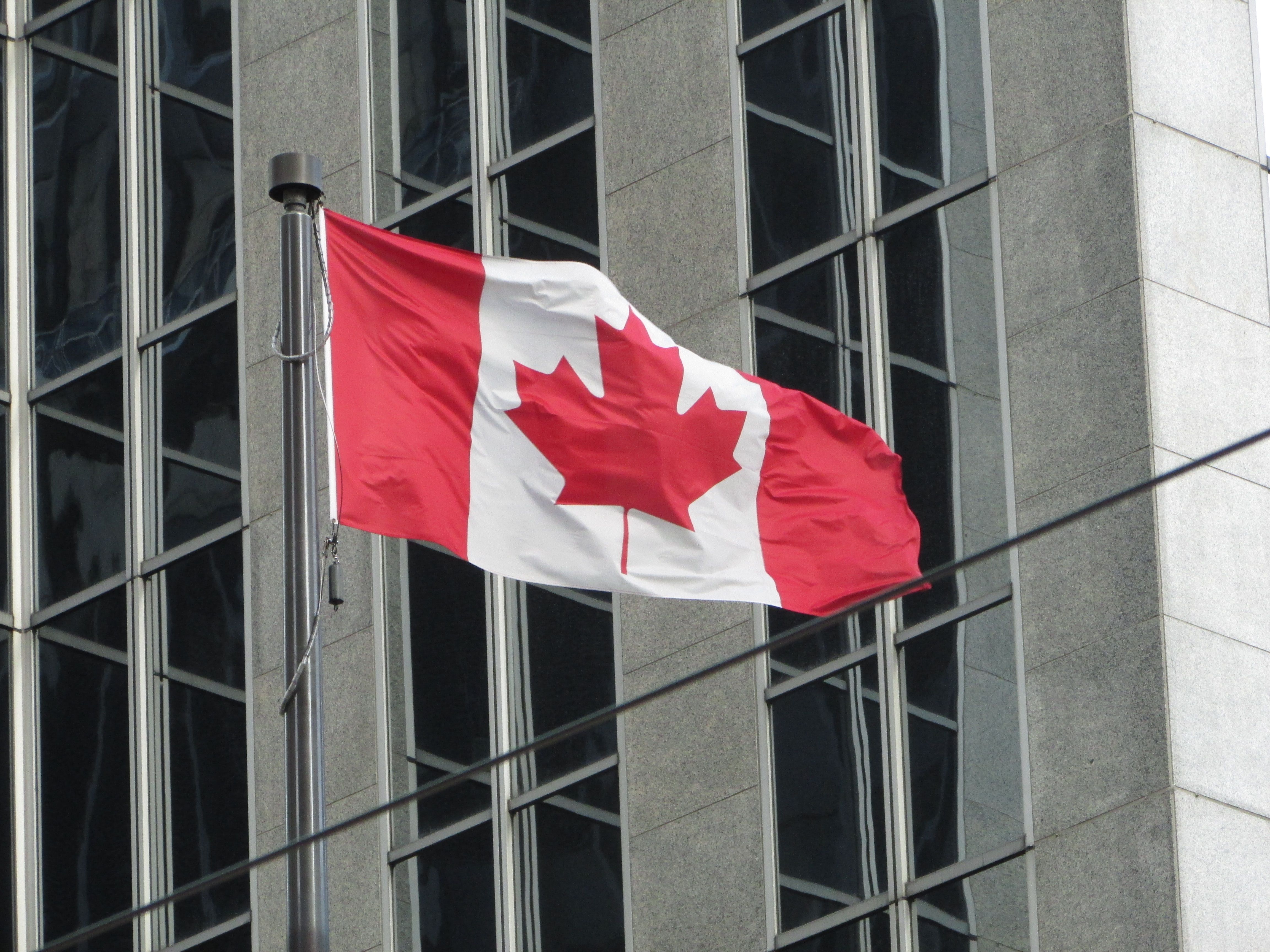
Canada flag

It must really annoy Canadians when visitors say, “So, you’re Canadian, EH?” And if the eeehhhhh is drawn out, it definitely must send them over the edge.

Not much bothers Sophie although she finds it frustrating when people don't book ahead

Not much bothers Sophie, but she finds it somewhat frustrating when people don’t book ahead.

“Actually, I sometimes up my “Ehs” to give people the Canadian experience,” says Sophie Gotschal who works the front desk at Hostelling International (HI) Toronto.

It turns out Canadians are quite aware that they say “eh” and that including this interjection in their casual conversation is part of their identity. Generally, Canadians seem to be a pretty polite and tolerant lot, but there are a few things you don’t want to do while visiting Canada.

Continue reading

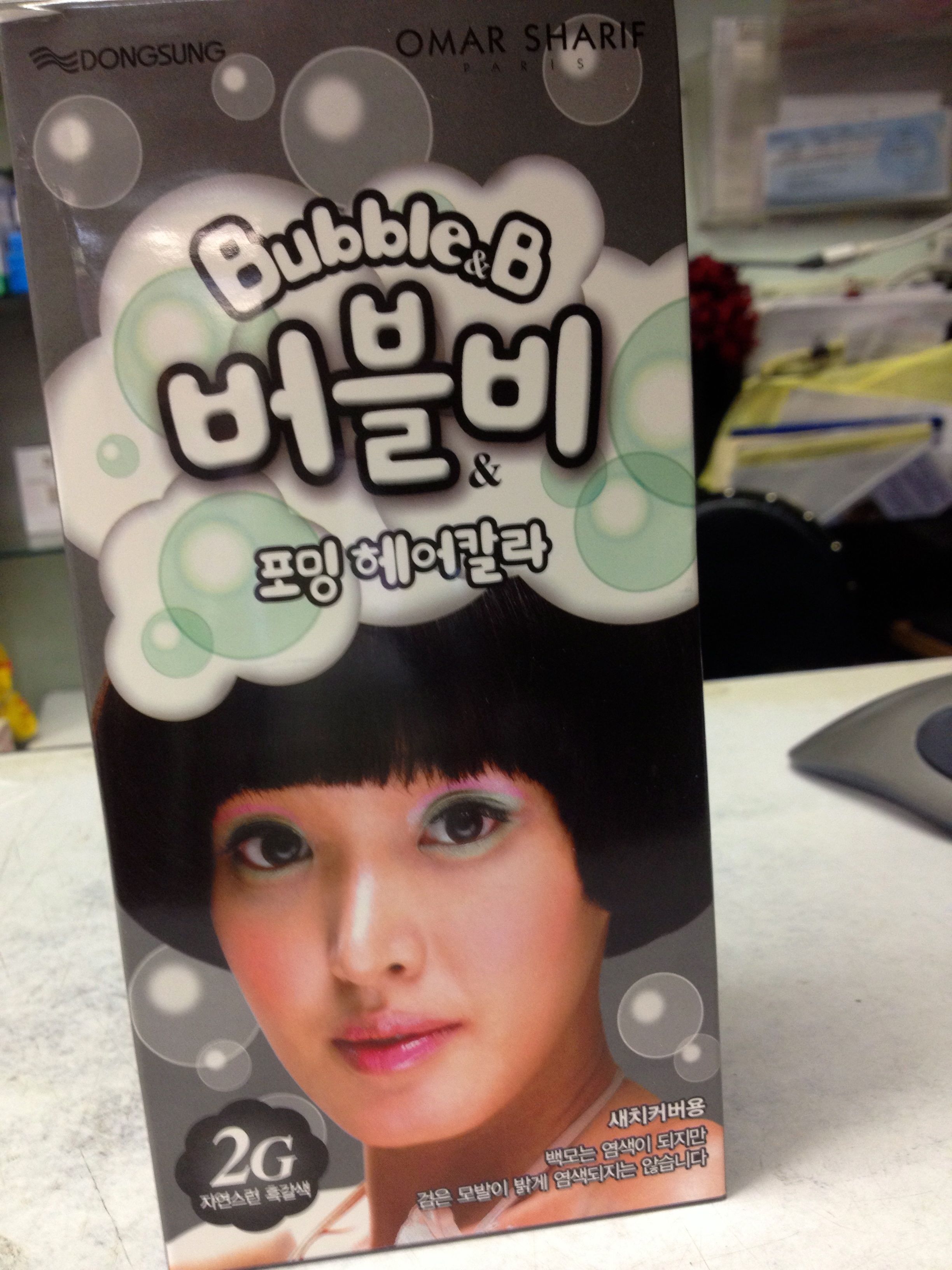
Priceless Products and Packaging: Bubble & B

© Stephanie Glaser

© Stephanie Glaser

Seoul Market, Colorado Springs, CO USA. l am completely fascinated by “Bubble & B,” which turns out to be a foaming hair coloring kit from Korea. I asked Seoul Market’s shopkeeper if I could take a photo of the product and she said “Sure!” and got it down from the counter and placed it close to me. As I mentioned in an earlier post about visiting this same market, I thought it was shampoo and it reminded me of the Denorex commercial when people test the lather of Denorex against another shampoo directly on their heads. Classic.

Continue reading

Travel Oops: “I’m sorry, she’s left the country.”

© Stephanie Glaser 2013

© Stephanie Glaser 2013

Two things you automatically have going for you when you’re a foreign exchange teacher and things go wrong:

1. You are foreign and your manner is often chalked up as being an unfortunate result of your nationality.

2. Eventually you will leave the country.

Ultimately you can get away with being strange or a little bit crazy. Even better, if it’s necessary, the excuse that you’ve moved to another country can legitimately be used.

I suggested that my principal use that very excuse on my behalf the next time Gertrude Brown called to demand I give her $1,000. In two weeks, I would be returning to the United States after one year of teaching in Adelaide, South Australia. So, indeed, I was leaving the country. Maybe that knowledge would finally shut Trudy up.

© Stephanie Glaser

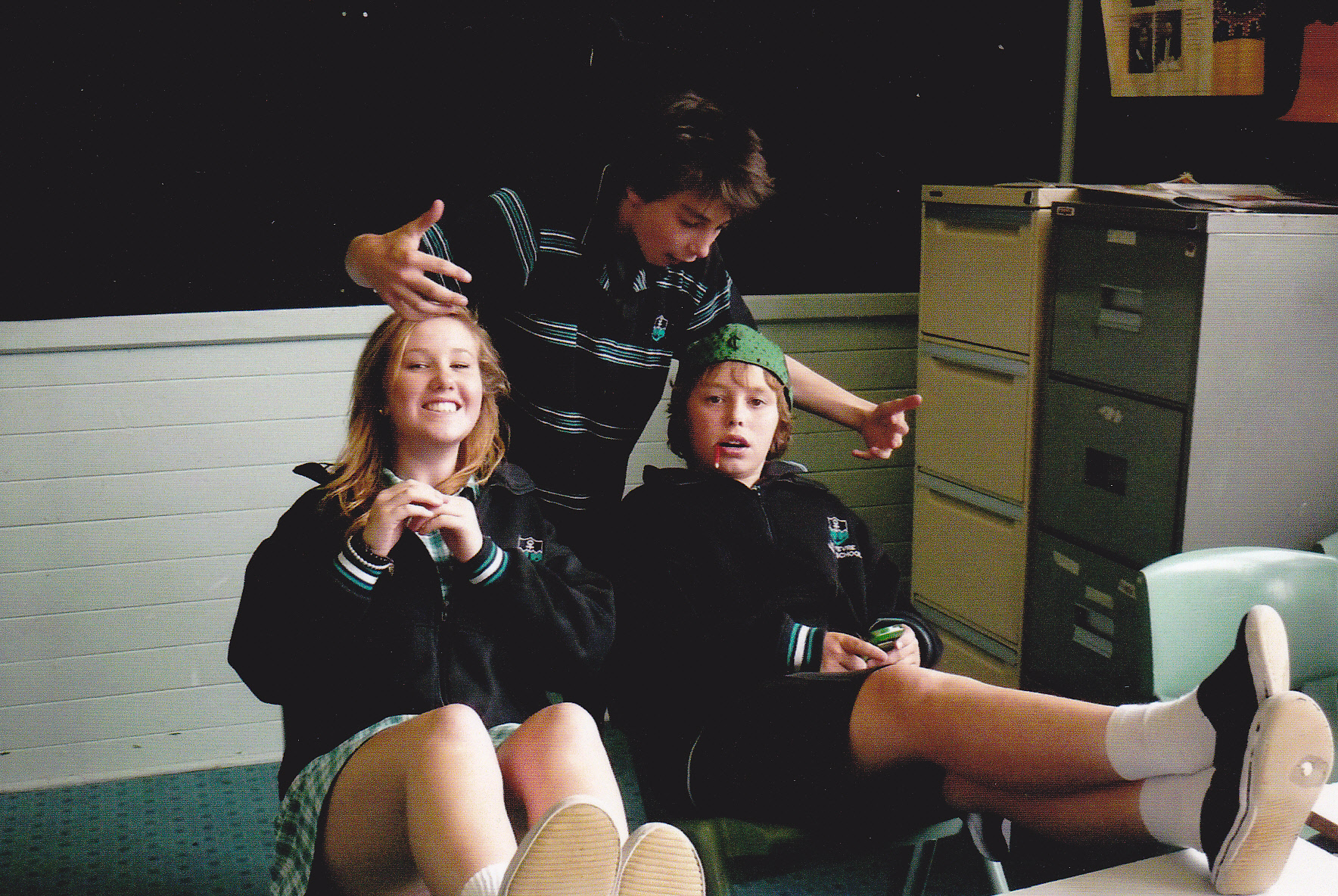
Mitchell (right) and his minions © Stephanie Glaser

Early in the 2010 academic year, I had confiscated her son Trent’s mobile phone after he took it out during class to text and show it off to his classmates.

When Trent, who was a whinger to begin with, argued that I had no right to take his phone, Mitchell, the class clown, piped up, “You know she told us we can’t use mobiles in class, Trent.”  Ignoring that Mitchell next leaned back in his seat and placed his feet up on the table, I stood in front of Trent with my arm extended, palm upright.

Continue reading

Travel Oops: Supersize Me with Some Kim Chee, Please!

© Stephanie Glaser

© Stephanie Glaser

Wandering through Seoul Market’s seaweed section, which is just as expansive and visually overloading as the cereal aisle of any Wal-Mart, I’m overwhelmed. Seaweed comes in jars, plastic bags, foil bags, freeze-dried bags, individually wrapped snack packs and family sized jumbo bags.

Seaweed snack packs — notice how I stacked on upside down. Oops....

Seaweed snack packs — notice how I stacked on upside down. Oops….

Seaweed that looks like kelp looms large in a long baguette like bag, and then there’s red seaweed, green seaweed, roasted seaweed, rectangular seaweed and small square seaweed. Asian writing appears on every bag, and although I can’t read the characters, it’s clear from their differing shapes that they identify seaweeds from not only Korea, but probably from Japan and China, too.

Clearly I’m a complete amateur Asian market shopper even in the US. Maybe trying another aisle will be less intense. The noodle shelves are no different: udon, soba, somen, bean thread cellophane, rice, wheat, thick, curly, transparent. Really, what should I expect? Roaming through the noodle section of a standard American grocery store could be mind blowing for someone who is not familiar with Italian pasta.

© Travel Channel

© Travel Channel

I had been so confident before entering the Colorado Springs store. After all, I had seen Anthony Bourdain’s “No Reservations” episode in Korea where he samples fermented kim chee from recently unearthed clay urns. I eat Asian food whenever I can, but I guess I’ve not seen it much in the pre-preparation phase.

“Mom, where’s the ice cream?” my son Eddie approaches me after having cased the somewhat cramped market out. He’s clearly not intimidated. Sensing my paralysis, he leaves and I hear him talk to the shop keeper behind the counter. I peek over and see the woman show him a refrigerated case. Ice cream, that’s definitely doable. I leave the noodle aisle.

Continue reading